What is Image to Layers AI?
Image to Layers AI is a web-based tool that converts a single flat image into a stack of editable, transparent PNG layers. Instead of producing only a background cutout, it uses AI to identify and separate subjects, objects, and a rebuilt background into independent layers that stay aligned with the original composition.
How it works
- Upload an image — JPG, PNG, or WebP up to 10MB. Photos, illustrations, product shots, and posters are all supported.
- Choose model and resolution — Pick Flash or Pro, select 1K, 1.5K, or 2K output, and set a target of 2 to 17 layers. An optional text prompt guides how elements are grouped.
- Download RGBA layers — In about a minute you receive the full stack. Each layer is a real transparent PNG with a proper alpha channel, named and ordered by depth, ready for Photoshop, Figma, After Effects, or any editor.
Key features
- True RGBA layers — Every output is a genuine transparent PNG, not a rough cutout with fringing.
- Subject / background split — AI separates the subject, background, and in-between elements into independent layers.
- Prompt-guided grouping — Describe the split you want in plain language to influence which elements belong together.
- Flexible export — Download layers individually or as a full stack, with PNG, WebP, ZIP, and layered PSD options.
- Pay per returned layer — Flash costs 10 credits per output layer; Pro costs 12 credits at 1K/1.5K or 24 at 2K. Unused reservation is refunded.
Who it is for
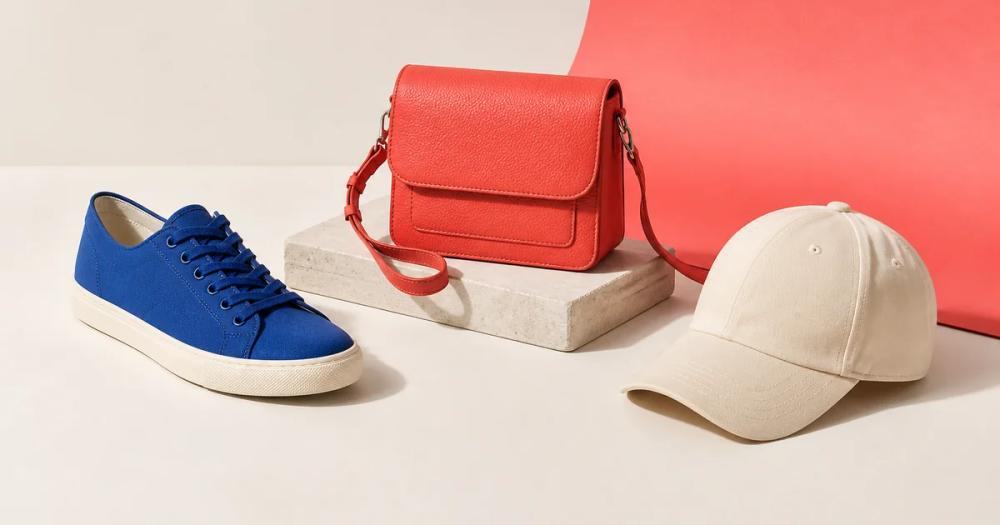
Designers can skip manual masking and move straight into Photoshop or Figma. Video and motion artists can feed separated planes into parallax and 2.5D camera moves. Developers can decompose images programmatically and pipe RGBA layers into asset pipelines. E-commerce sellers can isolate products from lifestyle shots and recompose them on new backgrounds.
Why it stands out
Manual masking of a complex scene can take an hour per layer. Image to Layers AI returns a full stack in roughly sixty seconds, with no pen tool, channels, or refine-edge dialogs required. Layers download as standard transparent PNGs, so there is no proprietary format or lock-in.